Wireless network optimization
WiFi should fly...

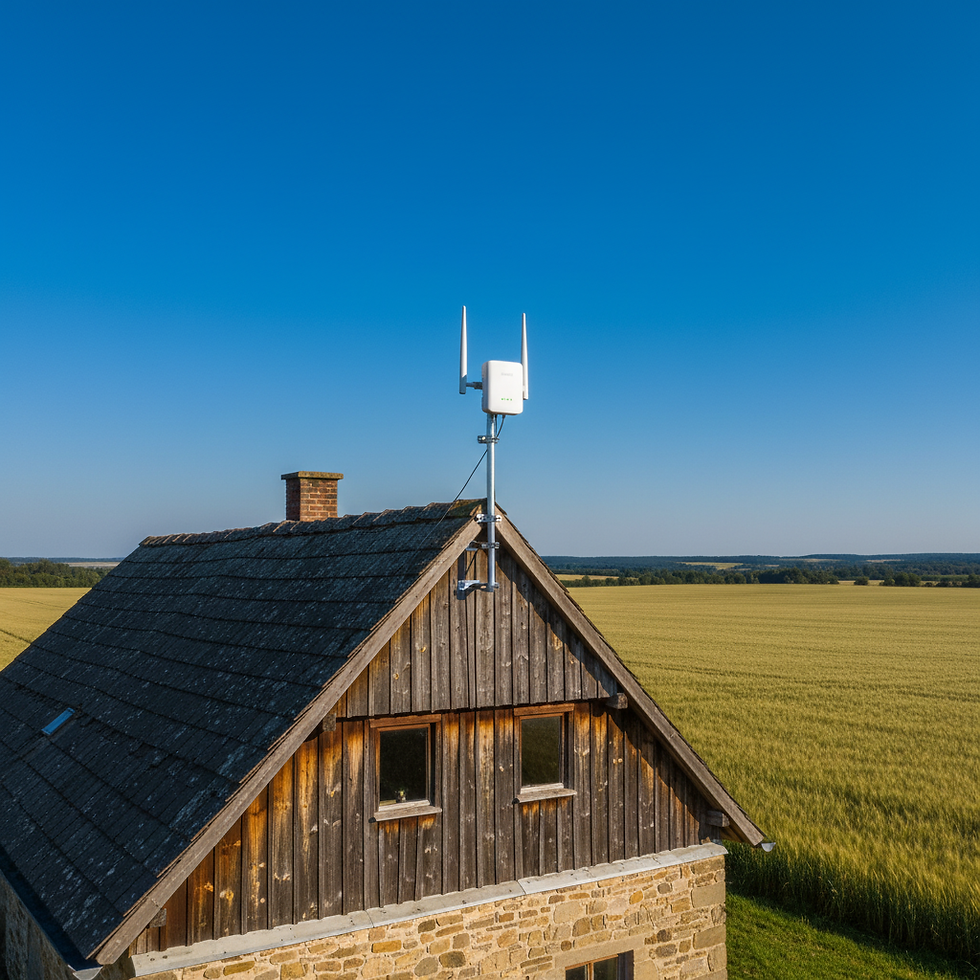
Principles of operation
In today’s digital-first world, seamless connectivity is no longer a luxury - it is a necessity. Whether it is an open-plan office, a multi-story residential building, a sprawling industrial warehouse, or an outdoor public venue, dead zones and dropped connections can halt productivity and frustrate users.
Achieving flawless WiFi coverage requires a strategic approach. Below, we break down the core principles of how indoor and outdoor WiFi optimization works, and how we transform weak signals into robust, high-speed networks.
The Core Challenges of WiFi Propagation
Before implementing a solution, it is vital to understand the enemies of a strong WiFi signal:
-
Attenuation (Obstacles): Concrete walls, tinted glass, metal structures, and even drywall absorb or reflect RF (Radio Frequency) signals, drastically reducing indoor range.
-
Interference: Microwave ovens, Bluetooth devices, wireless security cameras, and neighboring networks all compete for the same frequency bands (2.4GHz, 5GHz, and 6GHz).
-
Distance & Environment: Outdoors, signals fade over long distances (Free Space Path Loss) and can be severely degraded by weather conditions, trees, and physical terrain.
WiFi Optimization
Indoor environments require high-density, high-throughput solutions that can penetrate architectural obstacles and handle multiple devices simultaneously.
RF Site Survey & Heatmapping
Every project begins with a digital or physical RF site survey. Using specialized software, we simulate or measure signal propagation throughout your floor plan. This allows us to visualize dead zones and plan the exact placement of equipment.
Strategic Access Point (AP) Placement
Instead of relying on a single, powerful router, we deploy an array of enterprise-grade Access Points.
-
Cellular Overlap: APs are positioned so their coverage zones overlap seamlessly (usually by 15-20%), ensuring no drops when moving around.
-
Channel Planning: We configure APs to use non-overlapping channels to prevent them from interfering with each other.
Seamless Roaming (802.11k/v/r)
We implement advanced roaming protocols. As a user moves from the conference room to the cafeteria, their device is automatically "handed over" to the nearest AP with the strongest signal, without a millisecond of disconnection.
Outdoor WiFi Optimization
Outdoor deployment demands ruggedized hardware and a different approach to network architecture due to wide-open spaces and environmental factors.
Weatherproofing & Durability
Outdoor APs are enclosed in IP67/IP68-rated industrial housing. They are designed to withstand extreme temperatures, rain, dust, and UV exposure, ensuring 24/7 operational reliability.
High-Gain & Directional Antennas
While indoor APs usually broadcast signals in all directions (Omnidirectional), outdoor scenarios often require Directional Antennas. These focus the WiFi signal into a concentrated beam, pushing the coverage hundreds of meters in a specific direction (e.g., down a stadium concourse or across a park).
Wireless Mesh & Point-to-Point (PtP) Bridging
When running Ethernet cables outdoors is impossible or too expensive, we utilize wireless backhauls:
-
Point-to-Point (PtP): Connects two distant locations (like two separate buildings) via a dedicated, high-speed wireless beam.
Mesh Networking: Outdoor APs dynamically connect to each other wirelessly, passing data back to the main internet gateway.